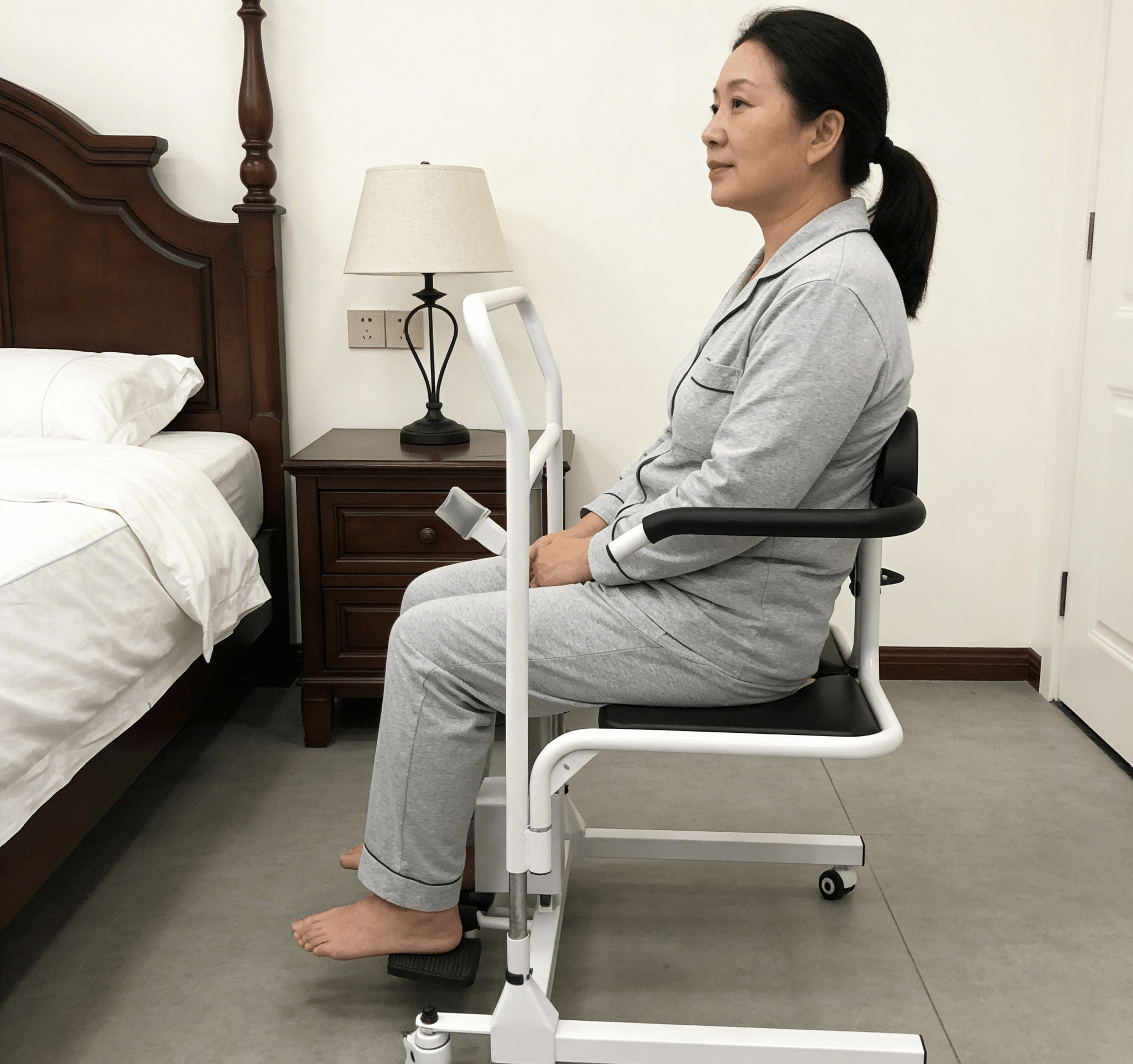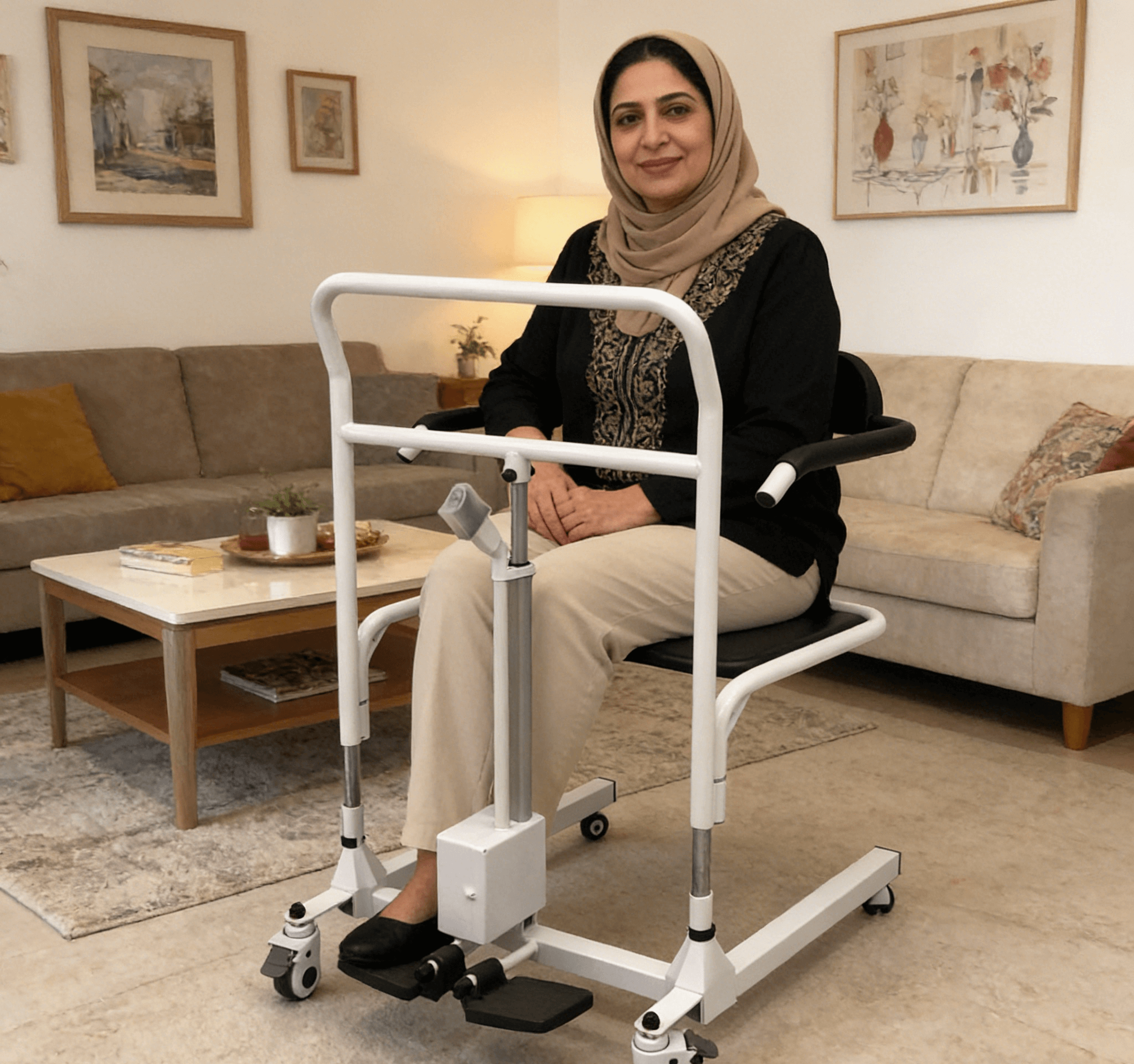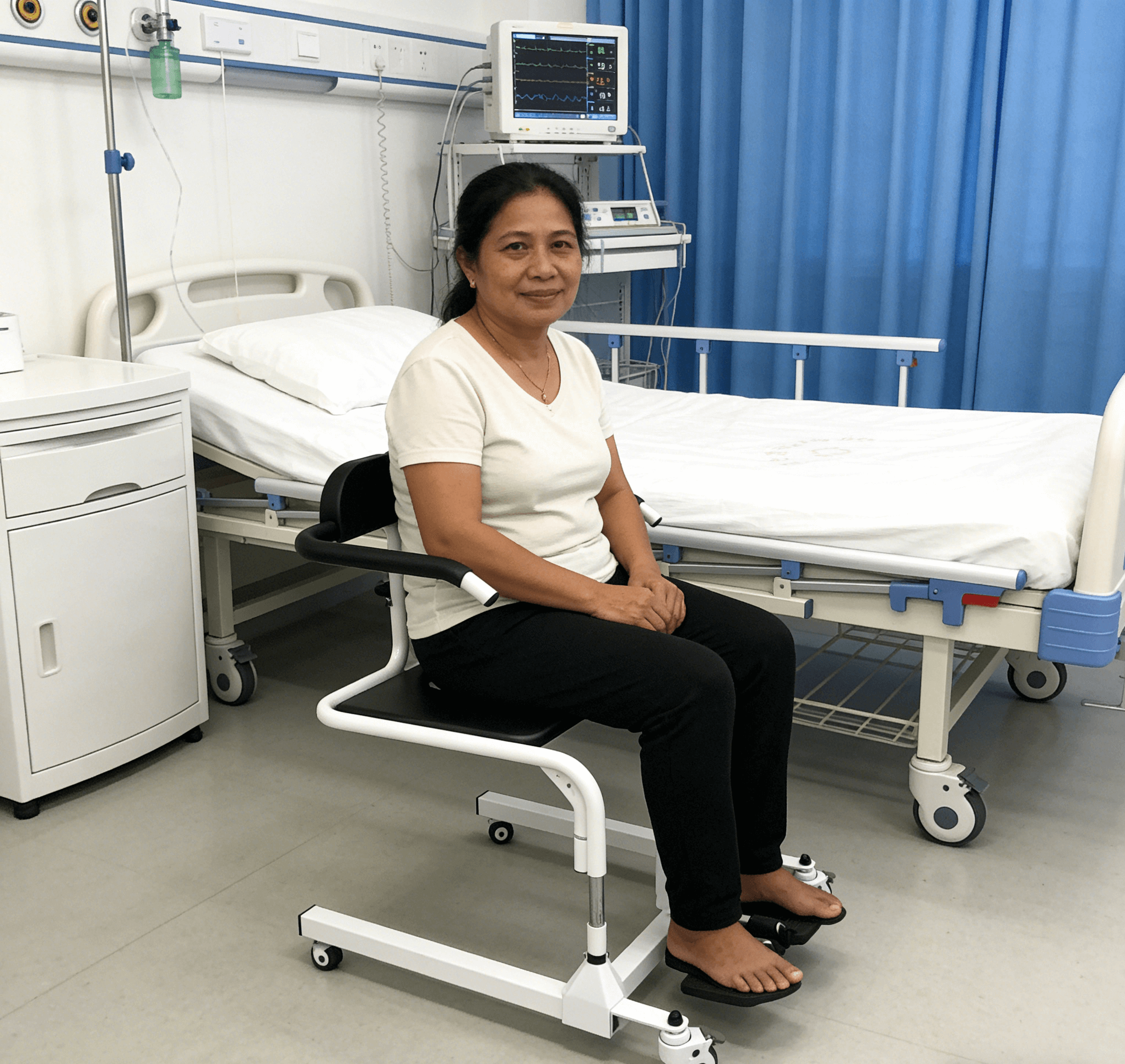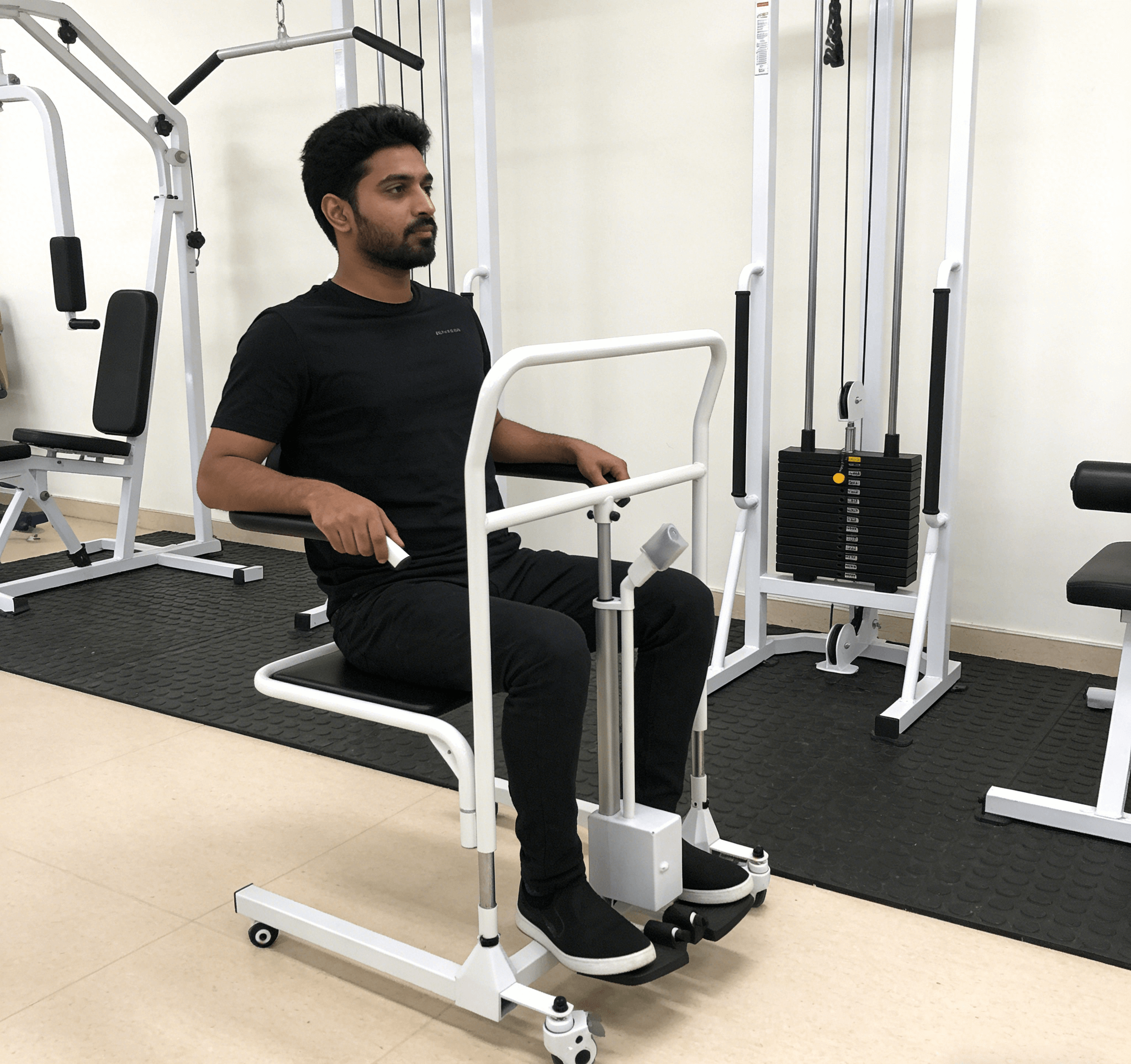
Category: power lift chairs
Posted by 2025-12-12 10:12
hoyer lift adp
Applying for a Hoyer Lift Through Assistive Devices Programs: A Complete Guide
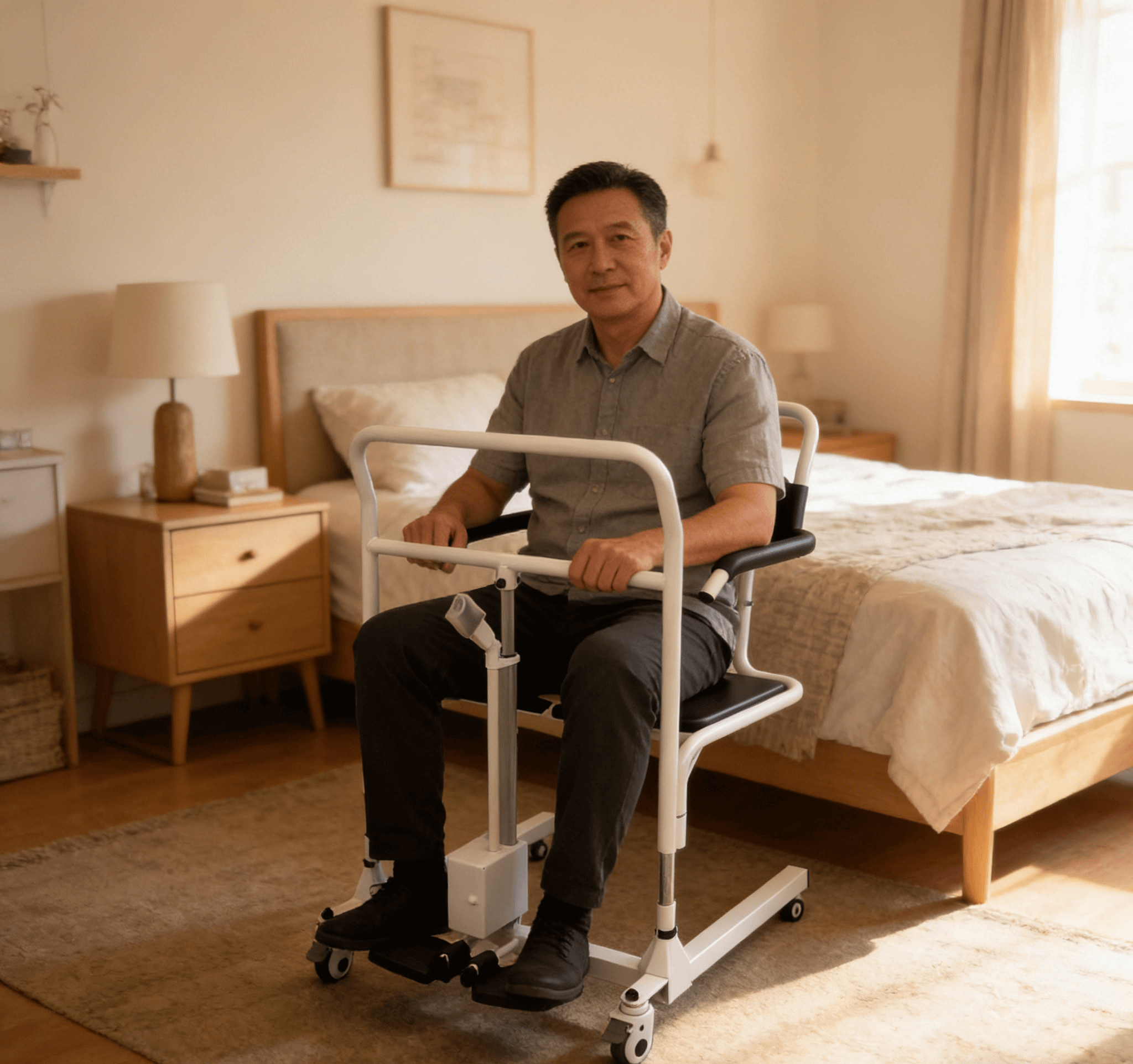
For individuals with limited mobility who require assistance to transfer (e.g., from bed to wheelchair), a Hoyer Lift (also known as a ceiling lift or mobile lift) is not merely a care tool—it is a lifeline that preserves dignity and prevents injuries to caregivers. However, its high cost often deters families from accessing it. Fortunately, in many regions, Assistive Devices Programs (ADPs) are key initiatives established specifically to address this issue.
What is an ADP?
ADP is typically the abbreviation for Assistive Devices Program. It is a government-funded program designed to provide financial assistance to eligible individuals with disabilities, helping them purchase or rent essential assistive devices to enhance their independence and quality of life.
Important Note: The specific name, coverage scope, and operation methods of ADPs vary by region. For example, in Ontario, Canada, it is officially called the "Assistive Devices Program"—a well-established initiative. In other countries or regions, similar programs may exist under different names (such as Medicaid Waiver Programs in the U.S., private insurance plans, etc.). This guide uses Ontario’s ADP as a template for explanation, but its core principles and processes are universally applicable.
Is a Hoyer Lift Covered by ADP?
Yes, in most cases, Hoyer Lifts (classified as "mechanical lifts") are among the typical devices covered by ADPs. However, coverage is usually not 100%. ADPs generally cover a portion of the approved device cost (e.g., Ontario’s ADP covers 75% of the device cost), while the remaining amount must be paid out-of-pocket by the individual or covered through other channels.
Eligibility Criteria
To successfully apply for a Hoyer Lift through an ADP, applicants typically need to meet the following requirements:
Health Condition: Have a long-term (usually exceeding 6 months) physical functional impairment confirmed by a doctor or nurse practitioner, resulting in an inability to complete transfers independently.
Residency Proof: Usually be a permanent resident or citizen of the region where the ADP is offered.
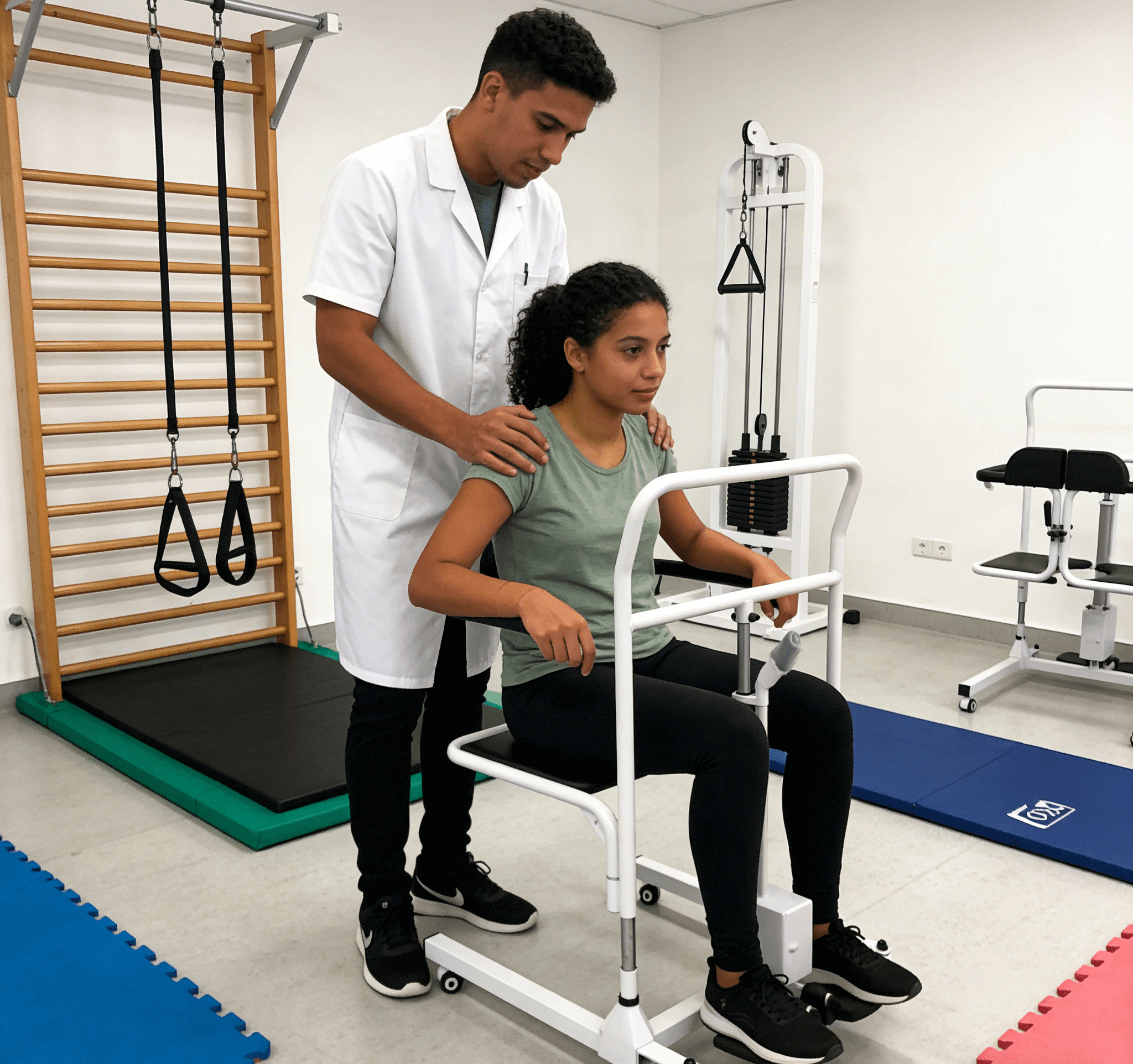
Medical Necessity: A professional healthcare provider (such as an Occupational Therapist/OT or Physical Therapist/PT) must conduct an assessment to confirm that a Hoyer Lift is necessary and will deliver clear functional benefits (e.g., preventing skin damage, facilitating care, reducing caregiver burden).
Environmental Assessment: Healthcare providers must also verify that the applicant’s home environment is suitable for installing and using the device (e.g., sufficient space for operating a mobile lift, or a home structure capable of supporting a ceiling lift).
Application Process (Step-by-Step Explanation)
The application process requires collaboration between the applicant, the healthcare team, and an authorized equipment supplier.
Step 1: Consult a Doctor and Initiate a Medical Assessment
First, discuss your need for a Hoyer Lift with your primary care physician.The doctor will refer you to an Occupational Therapist (OT) or Physical Therapist (PT)—the core assessors in the application process.
Step 2: Occupational/Physical Therapist Assessment
The OT or PT will conduct a comprehensive assessment, including:
Physical Function Assessment: Evaluating your transfer ability, sitting balance, and physical strength.
Caregiver Assessment: Understanding the caregiver’s physical condition and transfer capabilities.
Home Environment Assessment: Inspecting the spatial layout of areas like bedrooms and bathrooms to determine the most suitable lift type (mobile or ceiling-mounted).
Device Specification Confirmation: Based on the assessment results, defining the specific specifications of the required lift (e.g., weight capacity, boom type, sling type).
Step 3: Select an Authorized Equipment Supplier
ADPs only partner with authorized equipment suppliers. Your OT/PT will provide you with a list of authorized suppliers.You need to contact one or more suppliers to obtain quotes. Suppliers will recommend suitable products that meet ADP standards based on the OT/PT’s assessment report.
Step 4: Submit the Application
The applicant, the assessing OT/PT, and the equipment supplier must jointly complete and sign the ADP application form.The form will detail the medical necessity, the recommended device model, and associated costs.Submit all fully signed forms to the ADP office for review and approval.
Step 5: Wait for Approval
The ADP office will review your application. This process may take several weeks.Upon approval, the ADP will send an authorization letter to you and the equipment supplier, specifying the amount the ADP will cover and the out-of-pocket amount you need to pay.
Step 6: Device Delivery, Installation, and Training
After receiving the authorization letter, you can notify the supplier to arrange device delivery.Critical Step: Professional staff from the supplier must visit your home to install the device (especially for ceiling lifts) and provide comprehensive, thorough operation training to you and your caregiver. This training includes how to correctly use the sling, operate the controller, clean the device, and perform basic safety checks. Never use the device without training!
Costs and Coverage
ADP Coverage Ratio: For example, in Ontario, the ADP typically covers 75% of the approved device cost.
Out-of-Pocket Expenses: Applicants need to pay the remaining 25% of the cost. Additionally, certain accessories (e.g., specialized slings) may not be covered.
Other Funding Sources: If you face difficulties covering the out-of-pocket amount, you can explore the following options:
Private Insurance: Check if your extended health insurance covers assistive devices.
Charitable Organizations: Local charities (such as the Easter Seals Canada) may provide financial assistance.
Tax Deductions: The cost of purchasing medical devices can usually be claimed as a medical expense deduction when filing taxes.
Important Considerations
Repair and Maintenance: Understand the device’s warranty period, and inquire with the supplier about daily maintenance and follow-up repair services.
Regular Reassessment: If your physical condition or living environment changes, you may need a reassessment by an OT/PT.
Rental Options: If you only need the lift for a short period, ask the supplier about rental options—this may be more cost-effective than purchasing.
Safety First: Improper use of a Hoyer Lift can cause serious injuries to the user. Always follow all safety guidelines provided during training.
Conclusion
While the process of applying for a Hoyer Lift through an ADP may seem complex, it is a viable path to obtaining essential care equipment. The key is to proactively communicate with your healthcare team and seek professional guidance from an Occupational Therapist or Physical Therapist. They, along with the equipment supplier, will guide you through the entire application process, ultimately helping you safely and dignifiedly access this life-changing assistive tool.